
Better Sleep Starts With Better Breathing
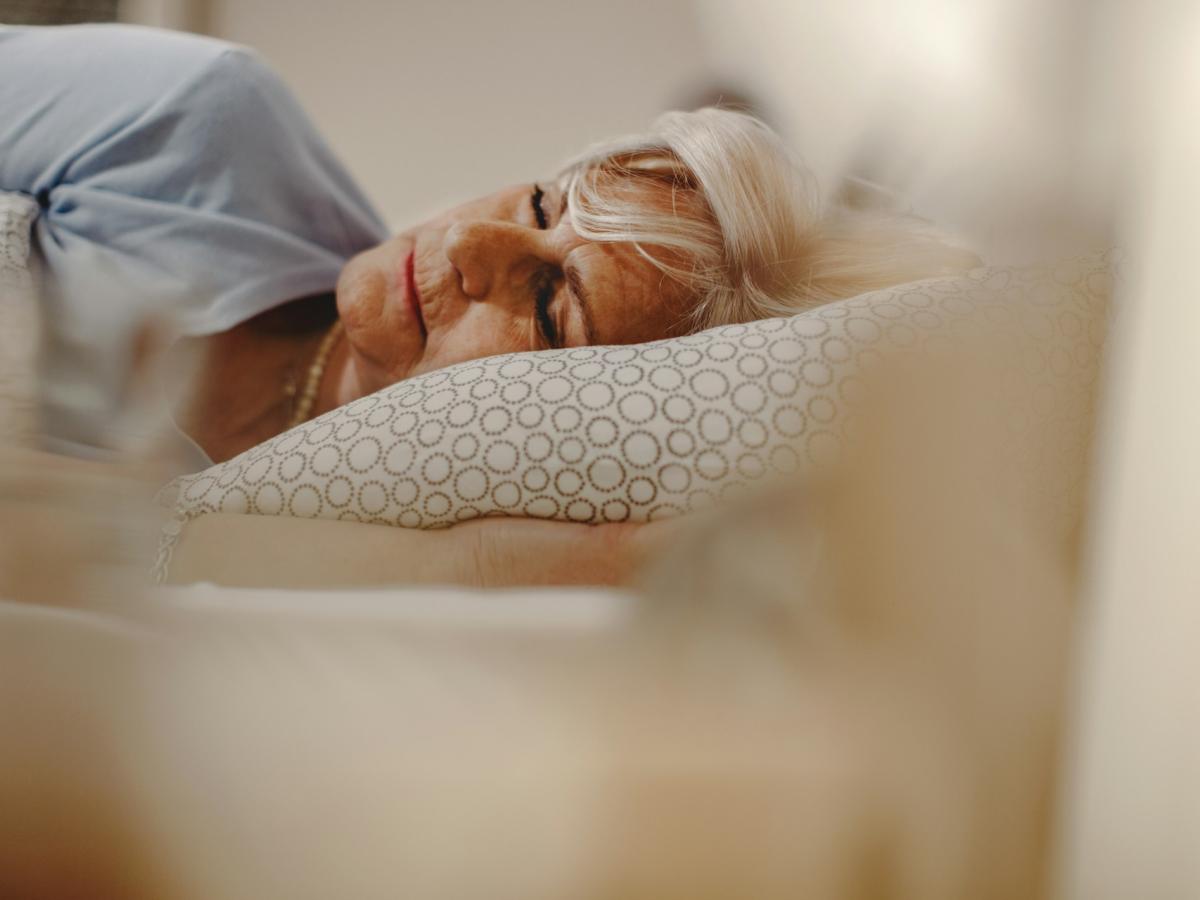
Oral Appliance Therapy (OAT) is a comfortable, non-invasive treatment option that may help reduce snoring and improve symptoms related to obstructive sleep apnea (OSA).
Using a custom-fitted oral appliance worn during sleep, OAT helps support a more open airway by gently respositiioning the jaw and surrounding tissues. For many patients, this can lead to quieter sleep, improved sleep quality, and better daytime energy.
At Brightside Dental Care, we work closely with patients to determine whether Oral Appliance Therapy may be an appropriate option based on their individual needs and sleep health goals.
Top Benefits of Oral Airway Therapy
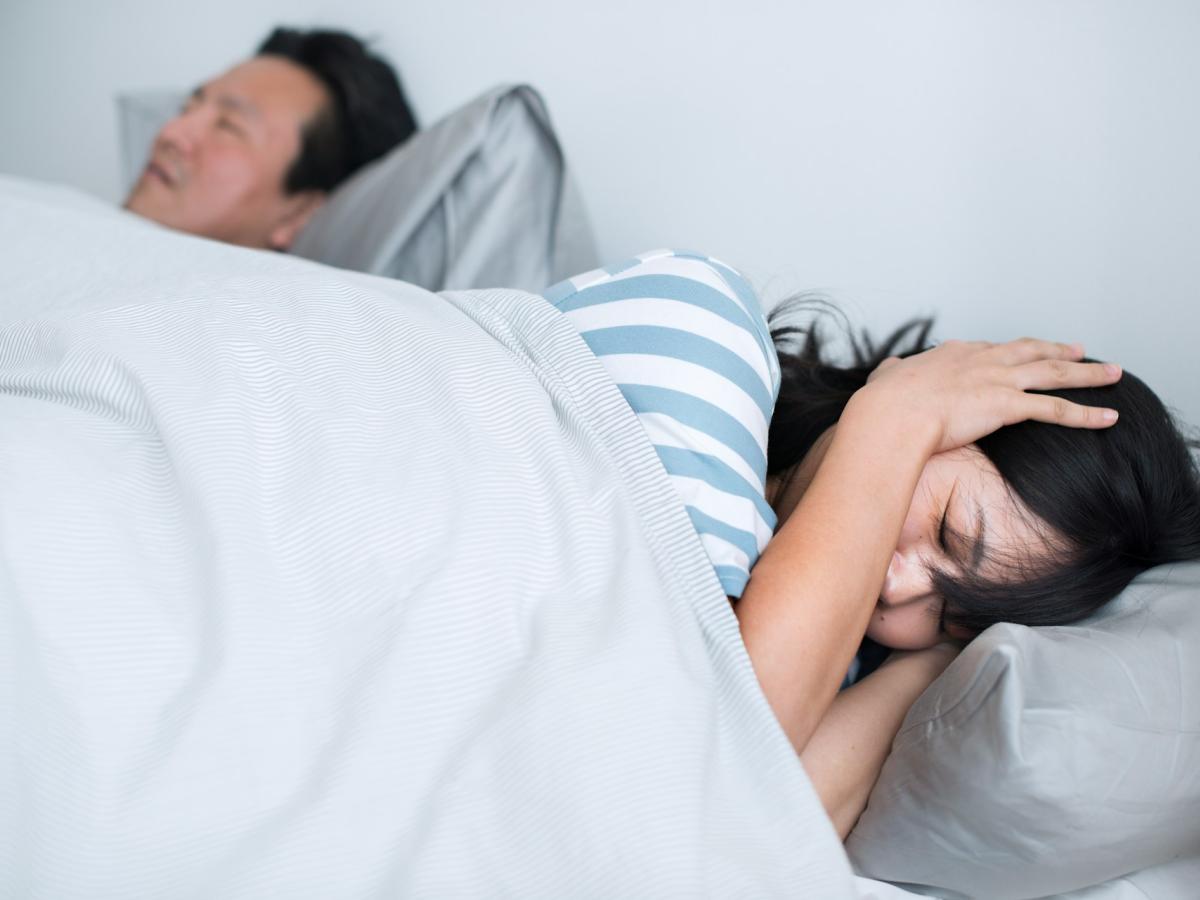
Snoring
Help reduce snoring caused by airway restriction during sleep.
Gasping or Pauses in Breathing
Support more consistent and uninterrupted breathng throughout the night.
Sleep Quality & Continuity
Promote deeper, more restful sleep with fewer nighttime disruptions.
Ease of Falling Asleep
Some patients notice it becomes easier to relax and fall asleep comfortably.
Morning Alertness
Wake feeling more refreshed and alert in the morning.
Daytime Energy Levels
Improved sleep quality may lead to better daytime energy and reduced fatigue.
Mood & Irritability
Better sleep can positively impact mood, focus, and overall well-being.
Jaw Discomfort Related to Grinding or Clenching
Some patients experience reduced discomfort associated with nighttime clenching or grinding.
What is Oral Airway Therapy?
Oral Airway Therapy (OAT) is a non-invasive, customized treatment designed to improve airflow during sleep by addressing airway restrictions. It is commonly recommended for individuals experiencing:
-
Obstructive Sleep Apnea (OSA): Repeated pauses in breathing caused by airway blockage
-
Chronic snoring: Often related to narrowed or partially obstructive airways
-
Airway-related sleep disturbances: Conditions that prevent restful, restorative sleep
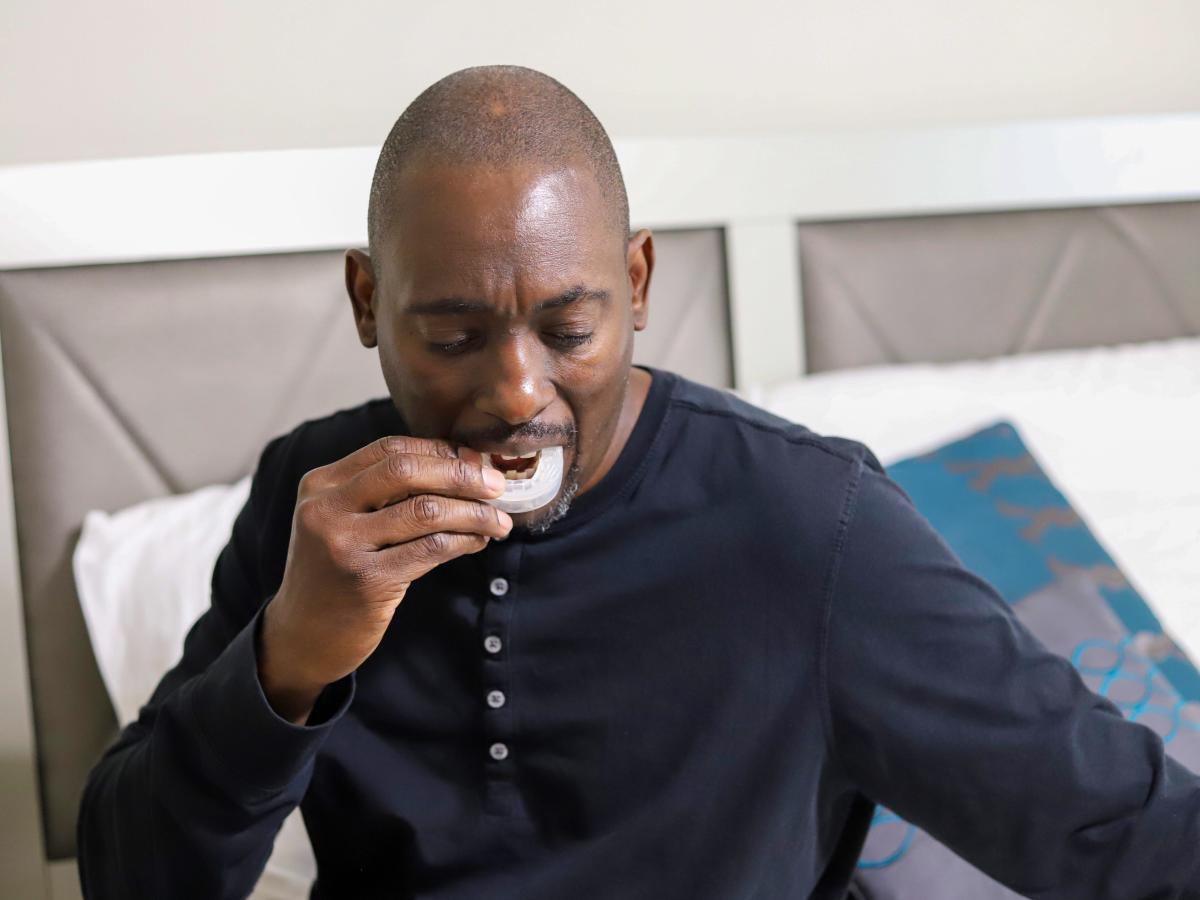
OAT uses a custom-made oral appliance that gently repositions the lower jaw to help keep the airway open, allowing for more consistent and uninterrupted breathing throughout the night.
Who Should Consider Oral Airway Therapy?
Oral Appliance Therapy may be considered for individuals who experience snoring, obstructive sleep apnea (OSA), or other air-way related sleep concerns that impact sleep quality and overall health.
It may be appropriate for individuals who:
- Have been diagnosed with obstructive sleep apnea and are sleeking an alternative to CPAP therapy
- Use a CPAP machine but want a more portable, travel-friendly backup option
- Do not have sleep apnea but wish to reduce or eliminate snoring
- Do not have sleep apnea but wish to improve sleep quality
Insurance & Payment Information
Although Oral Appliance Therapy is provided by a dentist, it is considered a medical treatment for obstructive sleep apnea. As such:
- Coverage is typically aligned with your medical insurance benefits, similar to CPAP therapy
- Dental insurance does not apply to this treatment
We recommend checking with your insurance provider to confirm your specific coverage.
What to Expect During Treatment
Your treatment fee convers the complete Oral Appliance Therapy Process:
- Initial Consultation: Comprehensive assessment to determine if OAT is appropriate for you
- Diagnostic Records Appointment: X-rays, digital scans, and measurements required to fabricate your appliance
- Custom Appliance Fabrication: A personalized device designed for comfort and effectiveness
- Delivery Appointment: Fitting of your appliance with instructions for proper use and care
- Monthly Follow-Ups: Ongoing adjustments to optimize effectiveness and comfort typically taking 3-6 months
Is Oral Appliance Therapy Right for Me?
Every patient's sleep and airway needs are different.
We generally recommend:
- Oral appliances for patients with poor sleep and/or snoring without sleep apnea who wish to manage symptoms better
- Using CPAP therapy as a first-line treatment when prescribed for sleep apnea
- Considering oral appliances if CPAP is not tolerated or is unsuccessful in treating sleep apnea
Oral Appliances may not be suitable for:
- Individuals with central sleep apnea when attempting to treat the apnea itself
- Children, unless specifically recommended by a healthcare provider
- Patients with severe obstructed sleep apnea (OSA), unless guided by a physician
Effectiveness can only be determined after completing the full treatment process, including adjustments, follow-up sleep studies, and compliance with treatment.
A consultation is required to determine whether Oral Appliance Therapy (OAT) is an appropriate option for your individual needs.
Risks & Side Effects
Short-Term (Common)
- Increased salivation
- Jaw or tooth discomfort
- Dry mouth
These typically resolve within the first few weeks.
Long-Term (Less Common)
- Changes in bite alignment
- Tooth movement
- Jaw or TMJ changes
Regular dental visits help monitor and manage these risks.
While side effects are usually mild in nature and extremely rare if significant side effects start, immediately stop usage and contact our office
Sleep Hygiene: Supporting Better Results
Healthy sleep habits enhance the effectiveness of any sleep therapy:
- Maintain a consistent sleep schedule
- Keep your bedroom cool, dark, and quiet
- Avoid screens 30-60 minutes before bed
- Limit caffeine, nicotine, and alcohol after 2pm or 3-6 hours before sleep
- Use your bed only for sleep
- If you can't sleep after 20 minutes, get up and do a calming activity
- Finish meals 2 hours before bedtime. Water is fine closer to bed time but limited consumption is wise to prevent late night bathroom visits that can disrupt sleep
Schedule Your Consultation for Oral Airway Therapy Today
Take control of your health and sleep better with Oral Appliance Therapy at Brightside Dental Care. Contact us today to schedule your consultation.
Your path to better breathing, better sleep, and better health starts here.
Why Choose Brightside Dental Care?
Oral Appliance Therapy is available at select Brightside Dental Care locations. Our trained clinicians provide personalized care and advanced treatment options designed to support healthier breathing, improved sleep quality, and overall wellness.
Disclaimer
- Oral Appliance Therapy (OAT) can be just as effective as CPAP for treating Obstructed Sleep Apnea (OSA), however, just not for as many cases. Only through trying on the appliance will we know its effectiveness
- It is best suited for patients who cannot tolerate CPAP or are seeking an alternative
- Not all patients are candidates for OAT
- Ongoing monitoring and follow-up are essential
- A consultation is required to determine eligibility
Please note: Brightside Dental Care does not provide obstructive sleep apnea (OSA) diagnoses directly.
Frequently Asked Questions
Here are a few questions answered to get to know the process better. Feel free to email us if you have further questions.
Studies show that oral airway therapy is effective for many patients, improving symptoms of sleep apnea and enhancing overall sleep quality.
It’s important to discuss your medical history, medications, and any allergies with your dentist, as this will help ensure safe use of the oral airway during treatment.
The device repositions the jaw and tongue to maintain an unobstructed airway, promoting better airflow and improving sleep quality.
Most patients adapt to their appliance within 2-4 weeks.
Tips for success:
- Consistency helps your body adjust more quickly
- If you experience any ill fit or odd feeling, contact our office for an adjustment
- Most appliances are covered by a 3-5 year manufacturer warranty
- Longevity depends on wear, dental changes, and overall care
Important considerations:
- Dental work (e.g., crowns, fillings) may require appliance adjustments
- Only our office should modify your appliance to ensure proper fit and maintenance of warranty
- Significant dental changes may require a new appliance
We recommend completing any outstanding dental treatment before starting OAT
Oral appliances can also function as a night guard. During your consultation:
- Your jaw joint (TMJ) will be evaluated
- We will determine if the appliance is suitable based on your joint health
There is no guarantee that OAT will reduce your apena-hypopnea index (AHI) to target levels. However, many patients continue treatment because they experience meaningful symptom relief, including:
- Reduced or eliminated snoring
- Fewer nighttime awakenings
- Improved sleep quality
- Less daytime fatigue
- Reduced jaw discomfort from clenching or grinding
Even when AHI improvmenet is limited, the overall quality-of-life befnefits can be significant
While CPAP therapy may have a lower upfront cost, it typically involves ongoing expenses for replacement parts and maintenance.
In contrast, Oral Appliance Therapy:
- Has minimal ongoing costs after the initial investment
- Often includes a 3-5 year manufacturer warranty
- Will be comparable in total cost to CPAP over a 5-year period
Brightside locations offering Oral Appliance Therapy near you
Brandon
A: #25-144 6th St., Brandon
Manitoba, R7A 3N2
P: (204) 727-7136
Hours: M-F, 8:00am-4:00pm
Stonewall
A: 310-1st Street West, PO Box 1640, Stonewall, MB R0C 2Z0
P: (204) 467-2746
Hours: M-F, 9:00am-4:30pm